Social Jetlag: 4 Ways You May Be Hijacking Your Own Health
Social jetlag disrupts your sleep cycle, raising insulin resistance, body fat & heart risks. Regular 7-hour sleep is key for health, repair & body balance.
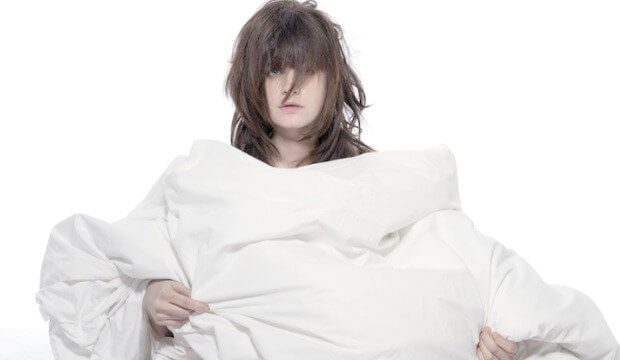
From a health perspective, sleep remains a vital, primitive need that we share with all creatures. It’s an opportunity to repair daily damage and repair the body to start with a refreshed supply of body constituents and essentials, such as DNA. That’s why many social late nights can result in what has become known as social jetlag.
Social Jetlag and Sleep
If you have been cutting corners on sleep, you will struggle to achieve your goals of a cleaner, healthier, and leaner body, regardless of how many ‘miracle’ diets, fads, or juice cleanses you try. Adults who are going to bed late, sporadically and/or sleeping in on alternative days, e.g. during the weekend, have resulted in a new health concern known as “social jetlag”. Social jetlag refers to the shifting of your sleep’s midpoint (deepest sleep) to later in the night.
Social Jetlag and Shifting Your Sleep Midpoint
So what were the consequences of moving that midpoint later than on most other days? After adjusting for many variables, the researchers found that shifting sleep times resulted in the following:
1. A lower HDL (the protective cholesterol level)
2. A higher fasting insulin level (an indicator of insulin resistance)
3. A higher triglyceride level (increased risk of heart disease)
4. A higher degree of body fat
A Lack of Sleep and the Consequences
This new understanding of sleep has significant consequences, with dramatic outcomes that are manifested in the body and affect one’s health. Findings have shown that even small variations in sleep patterns can affect measures of wellness in otherwise healthy people. Social jetlag, and its impact on your health through erratic and irregular sleeping habits, now joins the list of new age diseases, such as excessive sitting, lack of sunshine, and Vitamin D deficiency. Other sleep thieves are insomnia, sleep apnea and upper airway resistance syndrome. These are all chronic conditions that require medical advice and assistance; they will have the same effect as mentioned above on one’s health.
The Solution?
We should all aim for what was once the ‘norm’, a regular seven hours of restorative and peaceful sleep per night.