IV Infusions, Everything You Need To Know And A Checklist
IV Infusions must be prescribed, sterile, and doctor-supervised. Discover essential safety tips before booking a vitamin drip session.
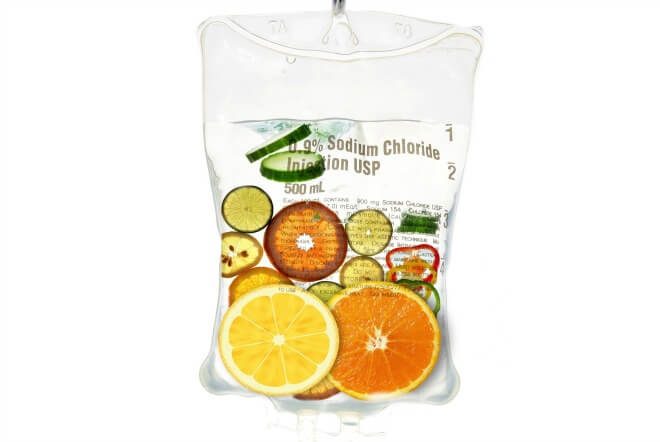
IV Infusions are a relatively new treatment or therapy on the market. The treatment is known as ‘drip therapy’ contains a cocktail of vitamins, have consequently been made famous by the likes of Rihanna and Simon Cowell. Celebs are now making these vitamin infusions a regular occurrence.
IV Infusions, check your facts
Compliance of medical products and treatments is a constant challenge, because ‘Drip bars’ and fly-by-night practices are popping up everywhere, destroying the reputation of this industry. IV Infusions have scheduled drugs and consist of a fluid which is pumped directly into the bloodstream. Here is a checklist to ensure your safety at all times.
Health and Safety Checklist
1. A full medical examination is required prior to a drip. IV Infusions are not a ‘one size fits all’. The drip needs to be a personal prescription, not a generic pre-made solution. A doctor is to be on site during your session. The doctor should also have an ACLS Or Advanced Cardiac Life Support certificate and training in case of an emergency. 2. The drip needs to be a personal prescription not a generic. A doctor should be on site during your session. The doctor should also have an ACLS Or Advanced Cardiac Life Support certificate and training. Also required is life support equipment in case of an emergency. 3. Drips must be administered by a qualified and registered nurse or doctor. 4. Know the exact compound of vitamins in your infusion, most of all full disclosure of the content of the drip is to be available to you, at all times. 5. Drips need to be produced in a sterile compounding laboratory. Make it a point to know the source of your drip. Drips need to be custom manufactured for you as an individual, not pre-made, therefore imported drips are to be legal and have the required MCC (Medical Control Council) certificate. 6. Keep it sterile. All items must be sealed and sterile for your treatment. Needles, IV lines, and saline bags are all considered hazardous. Disposal of sharps is also to be done by a professional medical disposal company. 7. In addition invoicing and administering must be done by medical practices only. In conclusion when it comes to your health wisdom and safety should not be a choice.