Hormonal imbalances your weight and why it’s a problem
Struggling with fatigue, weight gain or mood swings? Hormones may be to blame. Discover how functional care can help restore hormonal balance and health.

The body’s wired to receive chemical signals which trigger a variety of responses, but what happens when you choose to ignore these signals? Did you know that many of us experience signs and symptoms of hormonal imbalance every single day?
Hormones and getting the balance right
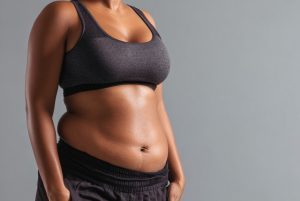
Hormonal imbalances manifest very differently on the outside of the body as opposed to the internal reality. All hormonal imbalances lead to a difficulty in losing weight and an increased risk of obesity. Imbalances cannot be solved by dieting alone, but require the guidance of a functional medicine doctor. With hormone monitoring and balancing, these issues can be resolved.
Hormonal imbalances and weight gain
Thyroid Dysfunction Incorrect thyroid hormone levels result in a system ‘shut down’ down. Thyroid imbalance results in symptoms such as tiredness, constant fatigue, constipation, and substantial weight gain. Too Much Insulin Insulin’s primary function is to process sugar in the body. Insulin controls how the sugar is carried into the bloodstream, or alternatively stored as fat. The most common reasons for an over production of insulin are stress, consuming excessive carbohydrates, junk foods, processed foods, sugary drinks. Symptoms of an insulin imbalance include heart palpitations, sweating, poor concentration, weakness, anxiety and more. High Cortisol Levels Continual stress includes physical, emotional, mental, environmental, real, or imagined. Stress causes the release of high amounts of the hormone cortisol. As a result, prolonged stress results in a raging appetite, metabolic decline, and belly fat. In other words, chronic stress makes us soft, flabby and old before our time.
Hormones and ageing
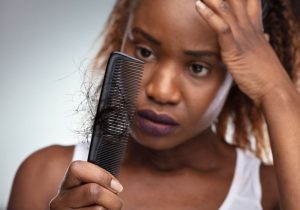
Extra Estrogen Excess estrogen is a risk factor for obesity in both men and women. Excess estrogen is a result of overproduction or consumption produce too much of it on our own or alternatively acquire it from our diet. As a result, a premenopausal woman with estrogen dominance will experience PMS. Especially relevant is the body fat around the hips and the difficulty in losing weight. Imbalances From Menopause Hormones, such as progesterone, testosterone, and dehydroepiandrosterone (DHEA), start to dry up as we age. The hair, skin, and eyes get dry and uncomfortable. As a result, many women become frustrated with the unwelcome annoying physical symptoms which include hot flashes, difficulty in sleeping,