Menopause Supplements: How To Support Your Health
Perimenopause supplement guide: Omega-3, Vitamin C & D, gut health & nutrition to ease symptoms, boost immunity, support mood, protect bones heart & well-being.
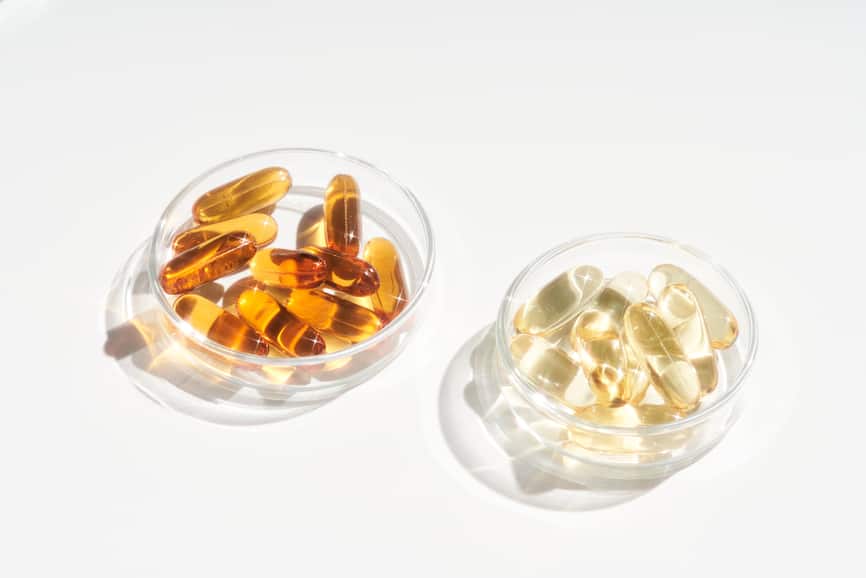
You’re on the money if you feel like there’s a lot of fog around “the change of life” (and not just your brain fog). While there is greater awareness of this impactful hormonal phase in a woman’s life and how symptoms affect her, there’s still much misunderstanding. The phrases “It’s not a disease” or “Just get on with it” come to mind. Compassion for yourself is where it all starts. That, and finding excellent experts who’ll guide you through peri-menopause and beyond, while HRT (hormone replacement therapy) is a solution many women turn to, exercise and nutrition must also be highlighted. Dietary choices – including supplements – act as a real coach during this time. Want to step up your game? Here’s your next move…
Supplements for Support: Overall Health During Menopause
The Pillars of Health provide a framework for understanding holistic well-being during menopause. There’s a lot to consider. However, don’t let this deter you, especially from a nutritional perspective. Supplementation is a great way to help alleviate the conditions commonly experienced during this stage of life and, of course, ensure you’re getting the necessary nutrients to support your health. Omega-3 may be lacking in your diet, even if you adore smoked salmon with your Eggs Benedict. Omega-3 fish oil is a natural inflammation soother and helps boost your immune system. It is essential as you hit peri-menopause and onwards, issues like cholesterol become more necessary to keep in check.
It’s the same with blood pressure, which generally goes up. Omega-3 is a great natural way to maintain your overall health while focusing on symptoms. Another beneficial supplement is vitamin C, an antioxidant that supports heart and bone health. More than just a cold and flu fighter, Vitamin C in menopause is known to help build collagen and compensate for the lack of oestrogen. And more good news: according to one scientific study, this antioxidant can also reduce the frequency and intensity of hot flashes.
Supplements and Your Symptoms: Building Your Best Well-Being
A way to be more targeted with supplements is to look for one that addresses the specific symptom you’re trying to treat. Mood is one issue that not many women discuss until they’re often properly depressed or anxious. Vitamin D for mood swings refers to its role in supporting mental health, promoting bone and heart well-being, and enhancing overall strength. Think of this nutrient as lifting weights for many vital organs in the body. And weight training is just the right type of workout as you hit peri-menopause. Add gut health into the mix, benefiting your entire system. Some studies have revealed changes in your gut bacteria after menopause. In other words, some levels dip, and others skyrocket. Want to keep things on an even keel?
Digestive enzymes aid in digestion and alleviate bloating, while L-Glutamine is recognised for its role in gut healing and supports individuals with IBD. There’s nothing blasé about menopause; it’s a different journey for every woman. Tricky, intense, revealing, straightforward, your experience is like you: completely individual. Embrace it, support it and above all, talk about it. You’ll find strength in numbers and realise it’s a more powerful time than you imagined.