Put Dark Marks On Pause: Here’s How to Spot Yours
Struggling with pigmentation? Understand dark marks like melasma, PIH & sun spots. Safe, effective treatments can help restore your skin’s glow.
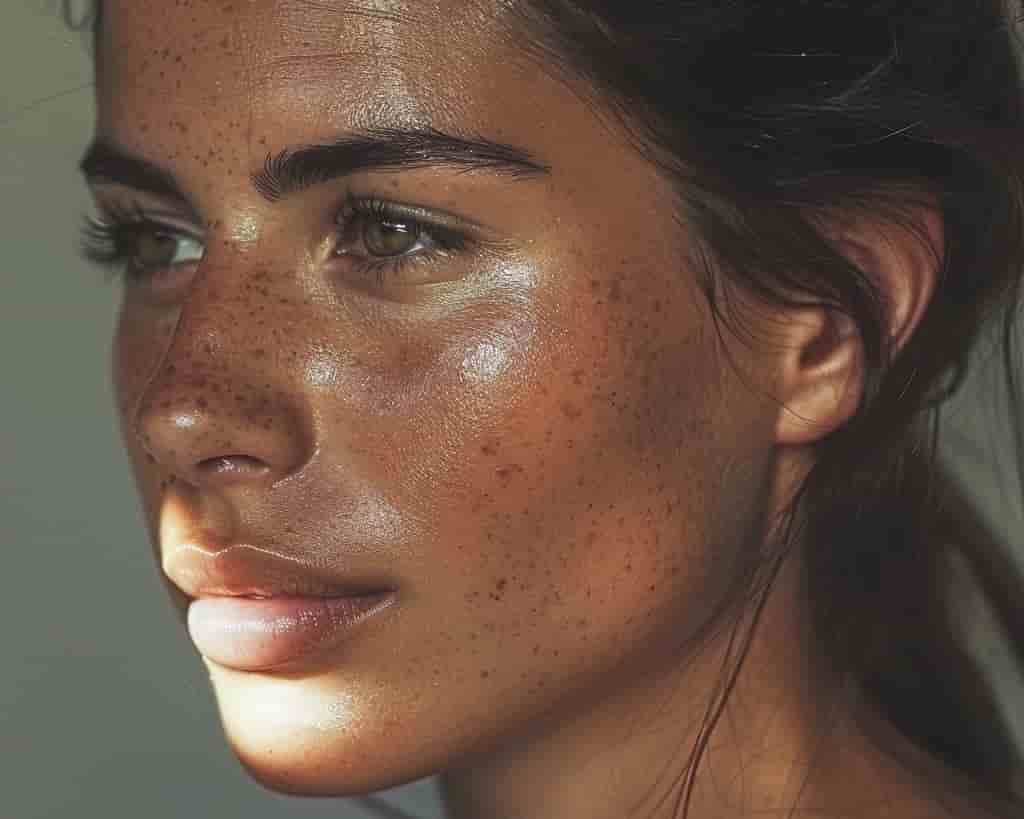
Feel like uneven skin tone has ruined your glow long enough? Many (and we mean many) women feel that way. Studies report that 80% percent of us experience some kind of dark marks on our skin. However, exactly what causes our complexion imperfections is, of course, varied. To properly treat pigmentation, you first have to understand it. So, let’s get the introductions underway. Meet the main culprits: those common dark marks and the causes of blotchiness that mess with skin tone and clarity. They come in several forms; some are hormone-related, and others are caused by sun exposure. And get this, sometimes it’s both. Yes, pigmentation is complex, but getting to know yours better means treatment is more effective.
How To Spot Yours: Identifying Dark Marks
First, it’s important to understand whether your pigmentation issue is a dynamic (meaning active) condition. Melasma falls into that category. It affects any person (women seem to get hit the most) and any skin tone. This means you must take control and manage it like any health condition. Would you lie back and let your eyesight get worse without glasses? It’s the same with melasma. Not only is daily skincare necessary, but treatment is also needed to properly manage melasma, which is a condition characterised by both superficial and deep pigmentation. Hormonal flux and inflammation also need supervision.
If you notice that yours looks worse during the summer months, the sun can trigger and worsen patches. Therefore, it is a condition that requires supervision and ongoing attention. Another similar issue that can’t go without proper management is post-inflammatory hyperpigmentation (PIH). Consider this a trauma response. But instead of banking on only big injuries causing pigmentation, think of what happens anytime there’s inflammation, like acne. That pimple that cropped up can cause enough injury to the skin that excess melanin is produced due to the trauma. Similarly, insect bites, burns or incorrect laser treatments and chemical peels can leave skin with PIH. More common for those with dark skin tones (Fitzpatrick skin types 3 to 6), the stress of “what’s going to happen next?” means double the trouble to deal with.
Put the Pause on Sun and Age Spots
Call them sunspots or age spots (also known as liver spots); these particular dark spots are simply due to excessive sun exposure. However, if you want to get down to the real nitty-gritty, sorting out your sunspots from your age spots goes something like this: sunspots are flat and brown, and they show up due to prolonged sun exposure. Age spots, however, appear as a natural part of ageing (you’ll see more of them as you get older) and also look flat, brown or even black in tone. They also emerge in sun-exposed areas of the skin. So same, same but a little different. They’re also a reminder of, you guessed it, your age. Appearing where the sun naturally hits (such as your shoulders, face, neck, and hands), how you deal with them varies. Preventative and protective ways mean clothing and SPF (broad-spectrum) and always sticking to the age-old rule of staying out of the sun when it’s at its hottest. While genetic factors play a role in creating these babies, the number one enemy is the sun. Now, do your son or daughter’s freckles mean they’ll develop sunspots? Those cute little spots on their noses and cheeks often fade without sun exposure (these are gene-based, too). However, the best approach is to keep babies and toddlers out of the sun as much as possible and slather them in appropriate SPF whenever and wherever necessary.
So Sun-Safe It Is
Are you feeling more confident about labelling your pigmentation? Managing and treating it will undoubtedly be easier. For that, the options are effective (safe and painless) and incredibly innovative. Let modern technology help you pinpoint your spot of bother. Pigmentation can evoke strong emotions, but with understanding and effective skin solutions, you can also achieve significant results. Trust us.